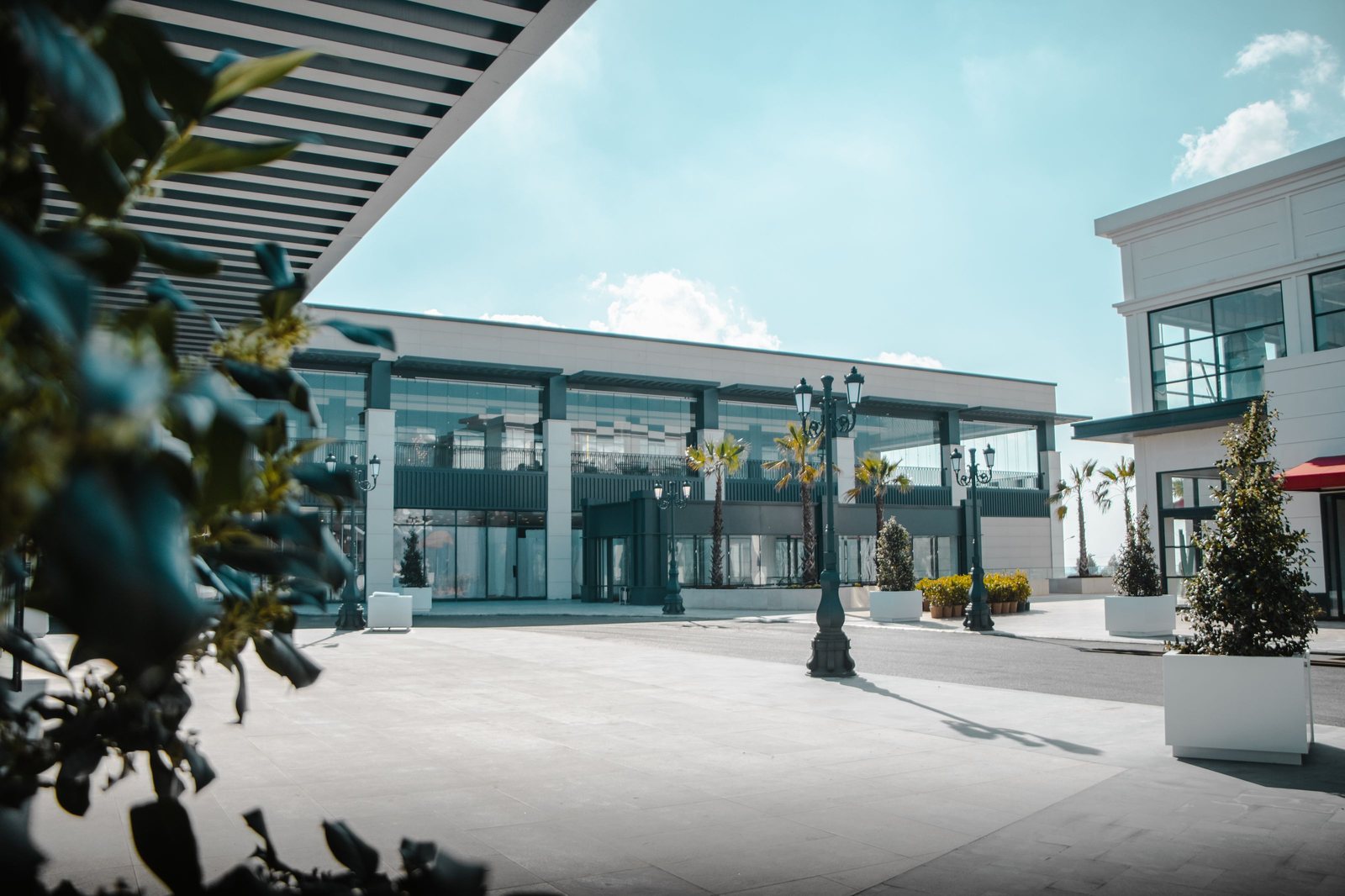
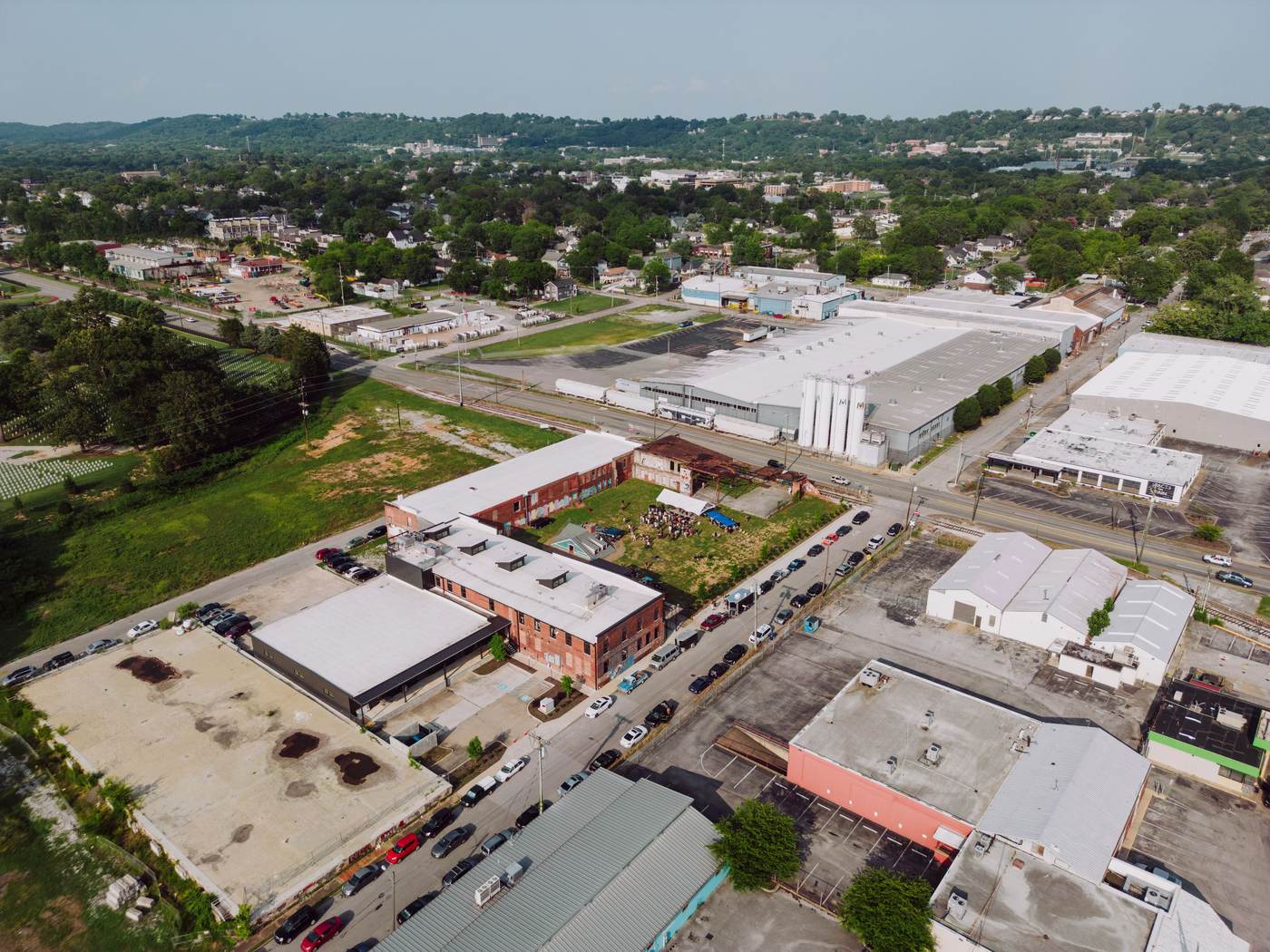
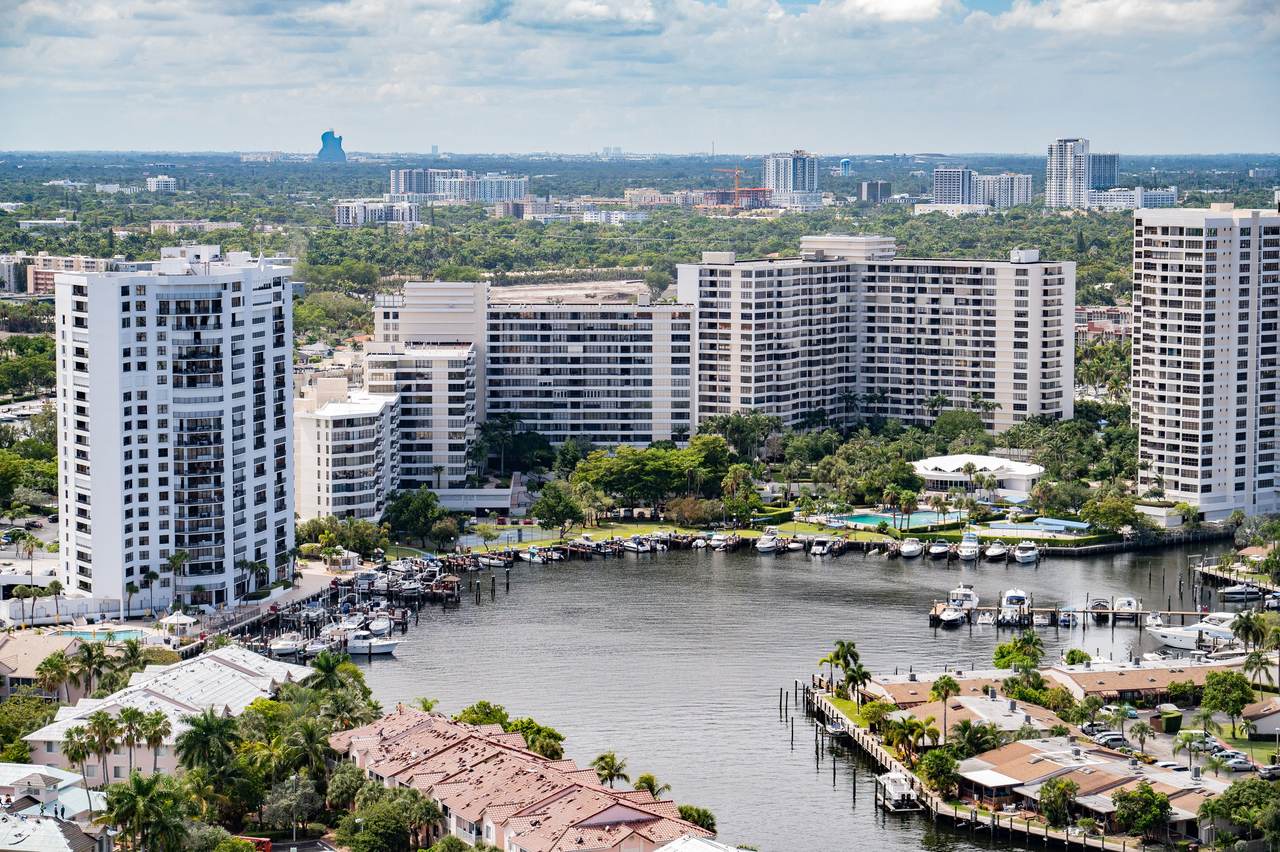
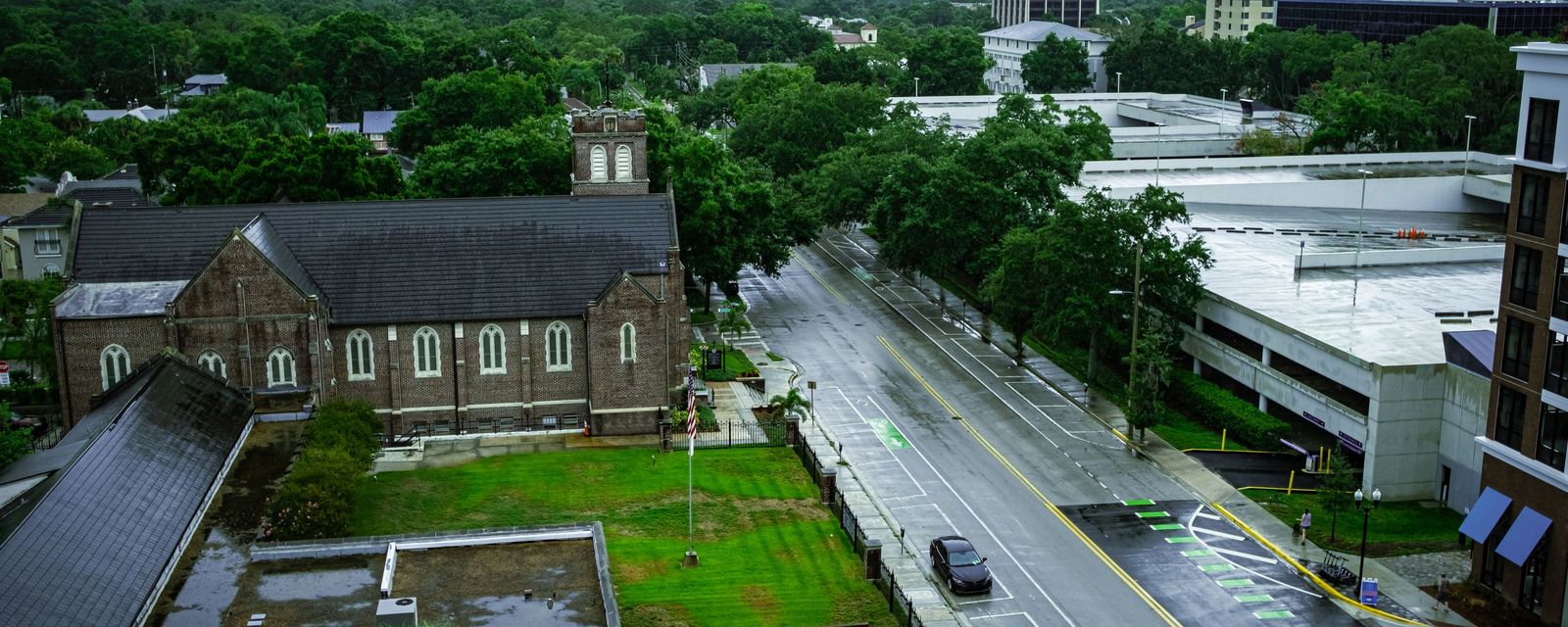
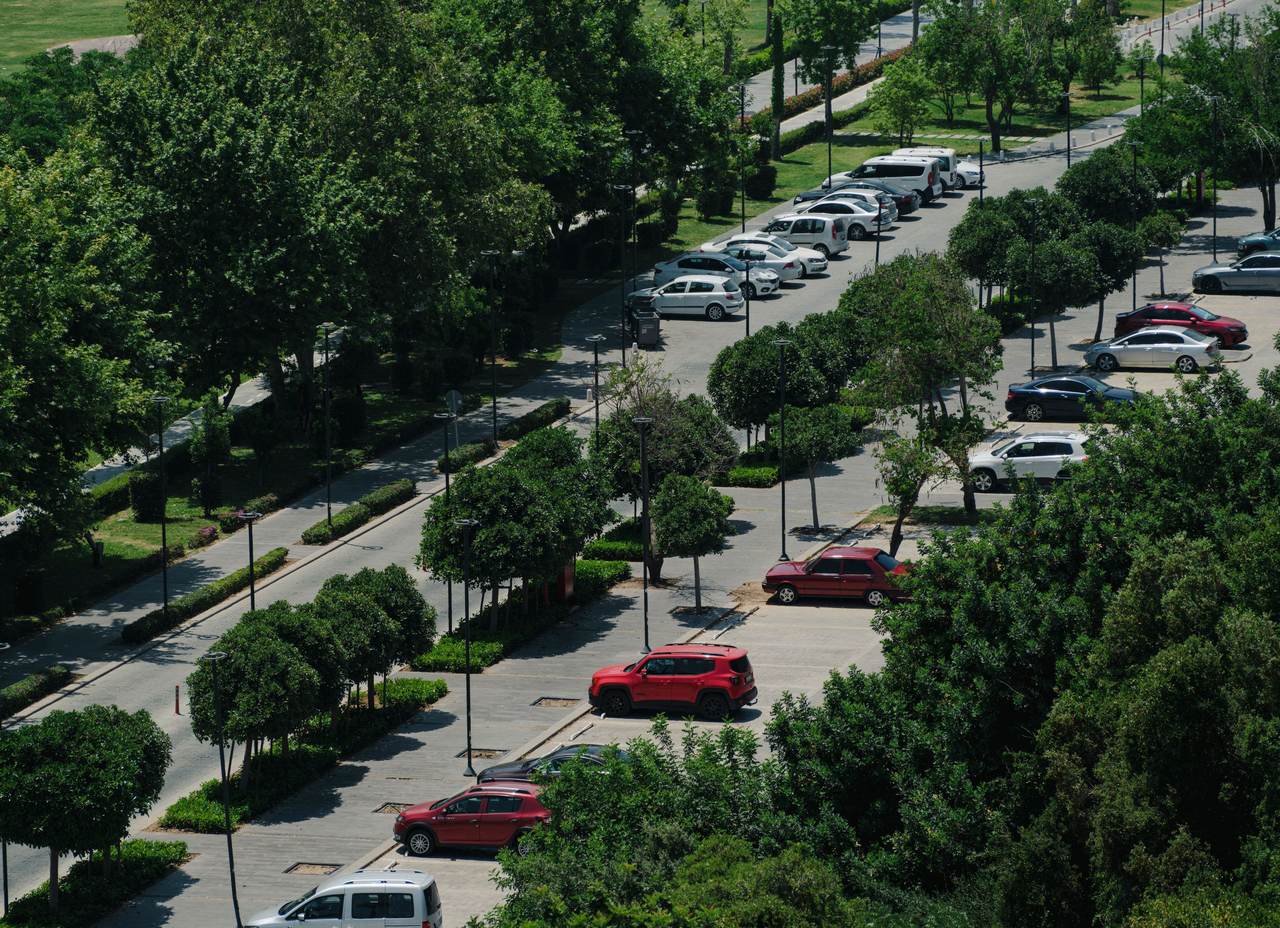
Miami Parking Lot Paving serves commercial properties across the three counties that make up South Florida's coast: Miami-Dade, Broward and Palm Beach. That is roughly 120 miles from Homestead to Jupiter, dozens of municipalities, and every kind of commercial lot from a downtown garage to a distribution yard to a country club's private roads. The county pages below describe how the work differs in each, and the city pages go deeper on the five markets where the pavement problems are most distinct.
Coverage runs by route rather than by radius. Assessments and short jobs are grouped by corridor so one trip covers several properties, which is what keeps a single-lot repair in Homestead and a 12-property plan from Miramar to Jupiter equally workable. Tell us the city and the property type and the estimate is written for that address, not for a regional average.
The largest and most varied market: condo towers and hotels on the coast, the densest small-business corridors in the state, a warehouse and logistics belt around the airport, and big-box retail and HOA communities stretching south to Homestead. Conditions range from salt air in Aventura to axle loads in Medley to a high water table across the southern suburbs, and the estimate for a Miami-Dade property is written for the part of the county it sits in.
Communities served include Miami, Miami Gardens, Aventura, Coral Gables, Kendall, Homestead, Medley, Miami Lakes, Sweetwater, Cutler Bay, Pinecrest, Palmetto Bay, Miami Beach, Sunny Isles Beach and Opa-locka, plus the three cities with their own pages: Doral, Hialeah and North Miami Beach.
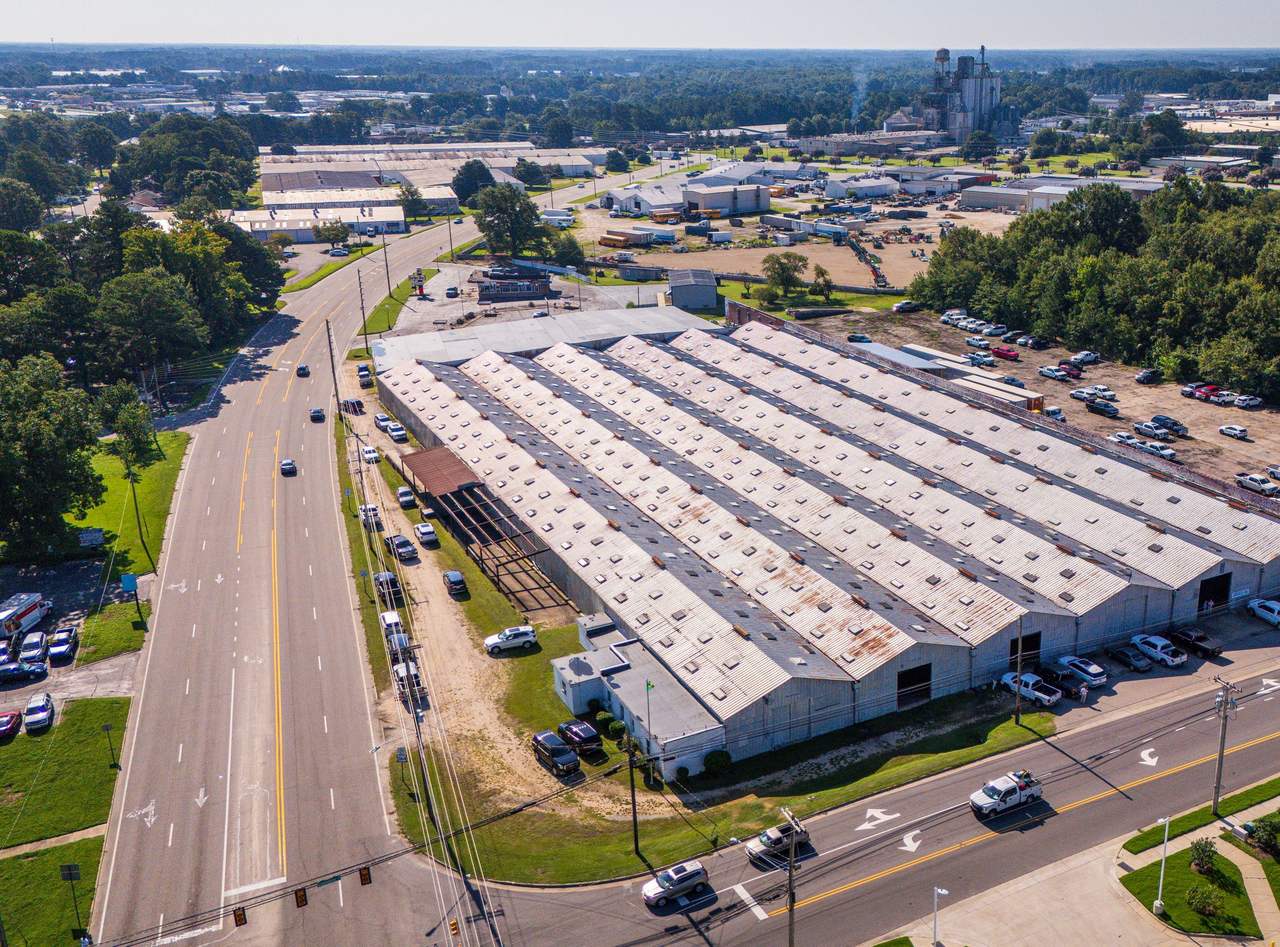
Countywide coverage from Homestead to Aventura, with the three sub-markets explained: the urban core and coast, the industrial belt, and the southern suburbs.
Commercial paving in Miami-Dade County →What the work looks like here changes with the sub-market. A corridor plaza in the urban core is phased in quarters and striped at night because there is nowhere to send the cars. A yard near the airport gets a thicker section in the truck lanes and concrete where trailers land on their gear. A coastal condo or HOA lot runs a shorter sealcoat cycle, because salt air and full sun age a surface faster there than 10 miles inland, and its schedule is built around board approvals and resident access.
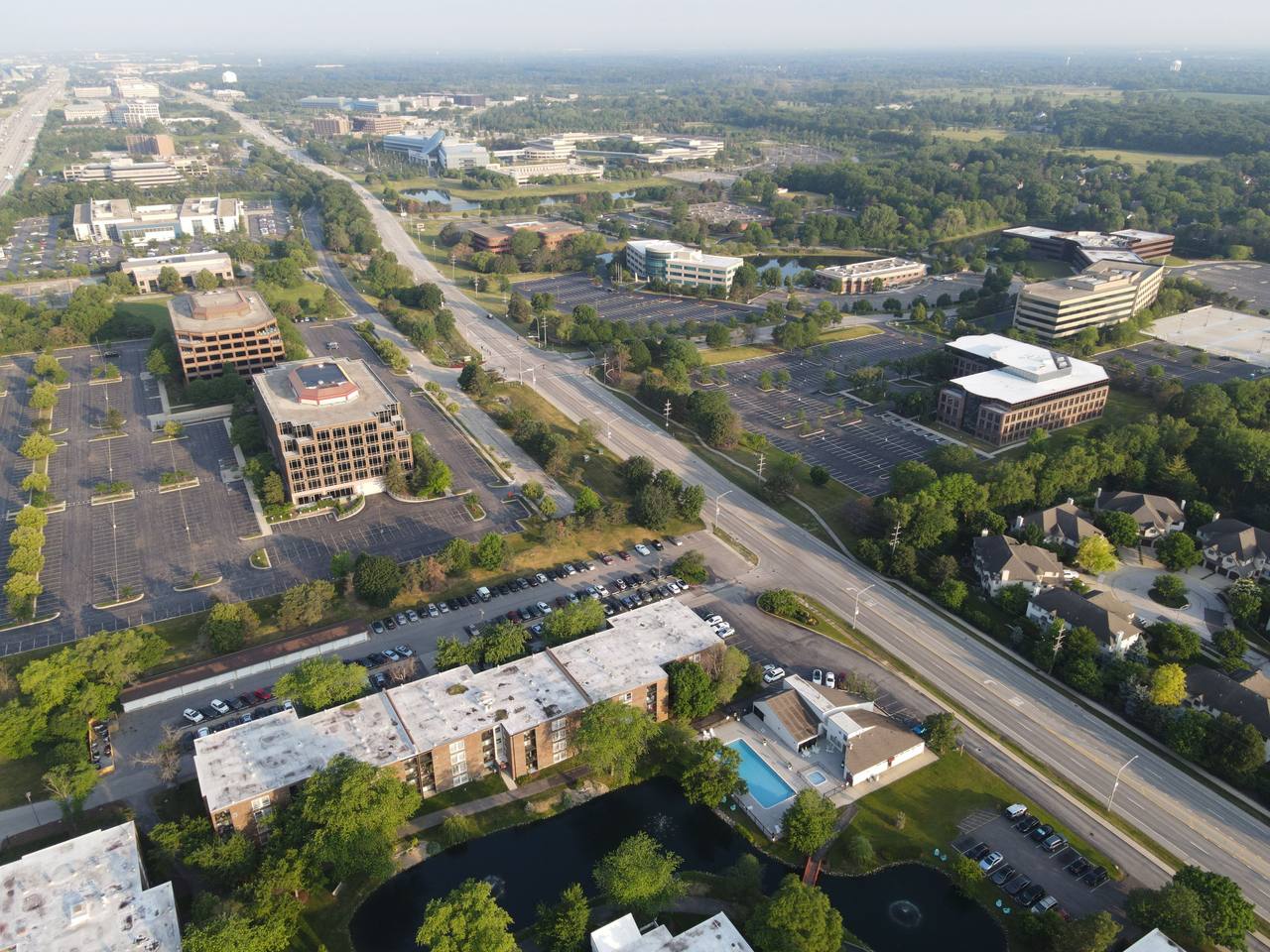
Suburban South Florida at scale: retail plazas along every major road, office parks near the expressways, gated HOA communities with miles of private road, industrial parcels around the airport and port, and a coast from Hallandale Beach to Deerfield Beach. Broward work runs on phasing plans that keep plazas open around their anchors, night windows for office parks, and community schedules that never cut off a home.
Communities served include Hollywood, Hallandale Beach, Dania Beach, Pembroke Pines, Miramar, Davie, Cooper City, Plantation, Sunrise, Lauderhill, Weston, Coral Springs, Parkland, Coconut Creek, Pompano Beach, Deerfield Beach, Oakland Park and Wilton Manors, plus the county seat, Fort Lauderdale, which has its own page.
Plazas, office parks and HOA communities across the county, with routed schedules for portfolios spread from Miramar to Coral Springs.
Commercial paving in Broward County →Broward jobs live or die on the phasing plan. Plaza work is sequenced around anchor tenants and delivery windows, one row at a time, with the fire lane open the whole way through. Office parks take night and weekend windows because the lot empties completely after hours. Communities are done in sections so every driveway stays reachable and at least one gate lane stays live, and industrial parcels near the airport and port keep the truck route open while the car parking is rebuilt.
The most spread out of the three: shopping centers and office parks along the coastal cities, country club and gated communities with long private road networks, downtown West Palm Beach, the equestrian properties of Wellington, and agricultural and packing operations in the western Glades. Appearance standards and approval processes shape most Palm Beach County work, and routed scheduling matters because the distances are long.
Communities served include West Palm Beach, Delray Beach, Boynton Beach, Palm Beach Gardens, Jupiter, Juno Beach, Wellington, Royal Palm Beach, Lake Worth Beach, Lantana, Greenacres, Riviera Beach, Palm Beach and the Glades communities, plus Boca Raton, which has its own page.
Shopping centers, office parks and club communities from Boca Raton to Jupiter and west to Wellington, with schedules grouped by area.
Commercial paving in Palm Beach County →Distance and appearance standards shape the work in Palm Beach County. Jobs are grouped by corridor so a schedule does not cross the county twice in a day, and the heavier work leans on the drier months, which is also when the coastal cities carry the most traffic. Club and gated communities often want drawings and board or architectural review before anything is scheduled, so the assessment comes with the documentation that approval asks for. Properties out west add agricultural truck loads that change section thickness.
Five cities get their own pages because the pavement problems there are distinct enough to change the scope: truck loads in Doral, dense corridor lots in Hialeah, salt air in North Miami Beach, hospitality and marine yards in Fort Lauderdale, and appearance standards in Boca Raton.
The warehouse and logistics belt west of the airport: heavy-duty asphalt for truck lanes, concrete dock aprons, and repair rounds phased so yards keep running.
Commercial paving in Doral →
Dense corridor plazas, industrial yards and thousands of small business lots, with night phasing in halves and quarters and service in Spanish.
Commercial paving in Hialeah →
Coastal retail centers and condo associations, where salt air shortens sealcoat cycles and board approvals shape the schedule.
Commercial paving in North Miami Beach →
Downtown offices, coastal condos, hotels and boatyards, scheduled around the season, tight urban sites and marine loads.
Commercial paving in Fort Lauderdale →
Office parks, upscale plazas and gated communities held to an appearance standard, with drawings for approval and night work.
Commercial paving in Boca Raton →Owners and managers with lots in more than one city get one plan and one schedule instead of separate jobs bid one at a time. The lots are ranked by condition, grouped by geography, and phased across budget years so the worst hazards are handled first and the rest are sequenced before they turn into replacements.
Permits and review are set by the municipality, not the county, so two plazas 3 miles apart can face different paperwork for the same scope. Resurfacing and restriping an existing lot is usually the lightest case; changing a layout, altering drainage, adding an entrance or touching the right of way is where a review is most likely. The scope flags which of those a project triggers and what drawings the submittal will need, and your contractor confirms the requirements with the local building department before the schedule is set. Communities with their own architectural standards add a board approval step on top of the municipal one, and that step usually sets the calendar.
A property outside these five cities is not outside the service area. Every community in the three counties is covered, and the county pages describe the conditions and property types across each one. Owners with lots in more than one county are served under one maintenance plan with a routed schedule.
Give us the city and the kind of property, and describe the problem. We schedule the assessment with other work in your area, write the estimate for your address, and separate repair, resurfacing and replacement by section so you can decide with the options in front of you.
Related services: Asphalt Paving, Parking Lot Maintenance. Guide: Parking lot paving cost in Miami.