(786) 321-8089 Call for a Free Estimate Free Estimate

How Often Should a South Florida Parking Lot Be Sealcoated?

Published September 17, 2026 by Miami Parking Lot Paving

Most commercial lots here need a coat every 2 to 4 years. That range is wide because a shaded office lot and a sun-baked grocery plaza three miles apart genuinely need different schedules. This guide explains what puts a lot at one end of the range or the other, how to place your own lot in the cycle, and the months that give the best result in South Florida.

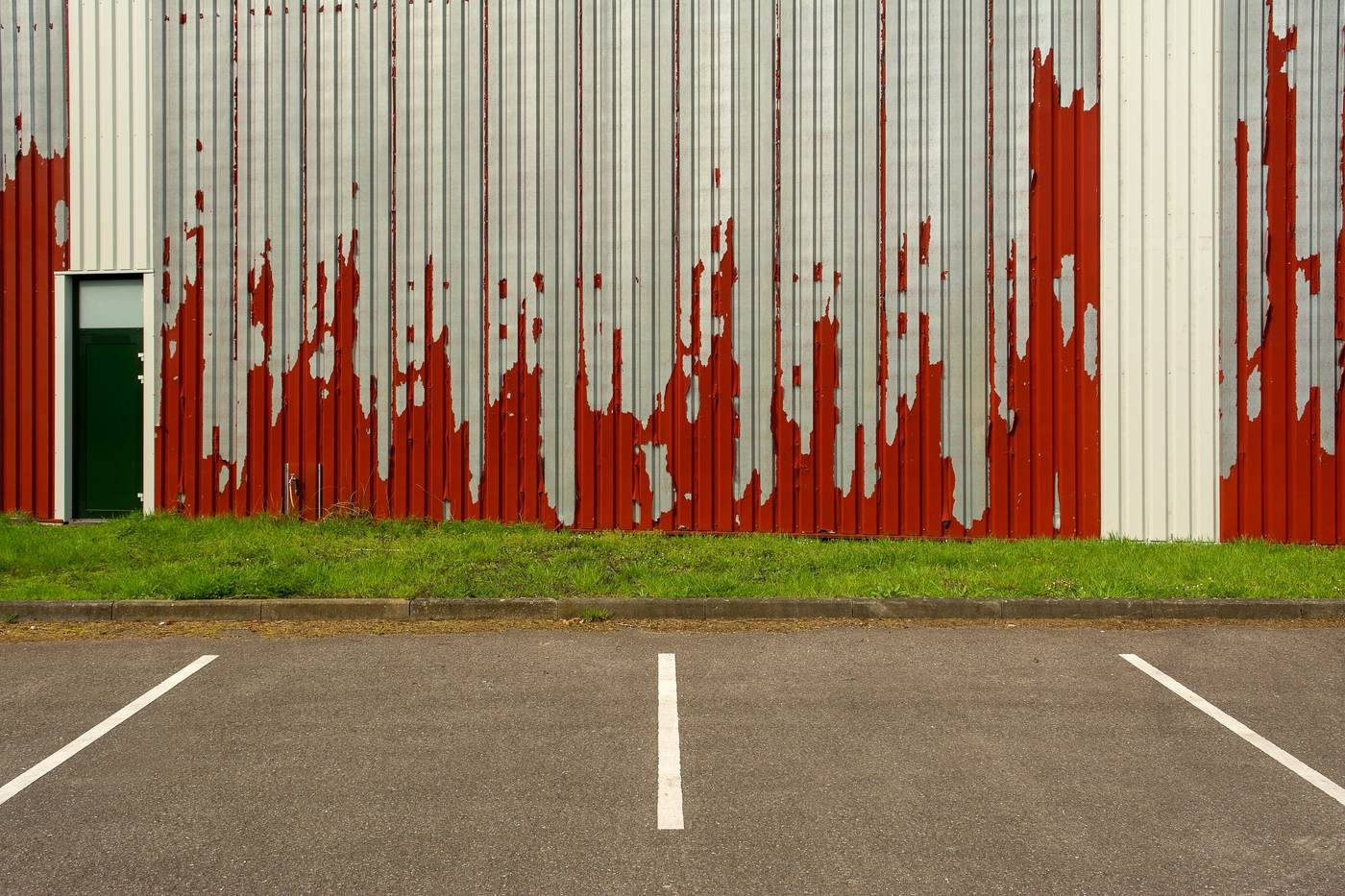
Sun-faded building wall beside a parking lot with oxidized grey asphalt and worn stall lines

📞 Call (786) 321-8089 Request a Free Estimate

Why Florida Is Hard on Asphalt

Asphalt is stone held together by a binder, and the binder is the part that ages. Ultraviolet light breaks it down, a process called oxidation, and an oxidized binder stops being flexible. The surface goes from black to gray, then it gets brittle, then it opens fine cracks under ordinary traffic.

In most of the country that process pauses for a few months each winter. In South Florida it does not. The sun works on the pavement every month of the year, and the surface of a dark lot in August runs far hotter than the air, which softens the binder while the sun is taking it apart.

Then the water arrives. The summer pattern of a heavy afternoon storm most days pushes water into every fine crack the sun has opened. Water in the cracks reaches the base, a wet base loses strength, and the alligator cracking and potholes that follow are base problems rather than surface problems.

That is the cycle sealcoating interrupts at the top: a sealed surface takes the ultraviolet punishment instead of the binder, and it sheds water rather than absorbing it. Crack sealing interrupts the same cycle at the bottom by keeping the storms out of the base. Neither one substitutes for the other, which is why they are scheduled together.

Two local factors shorten the clock further. Lots within a few miles of the coast carry salt-laden moisture on the surface, and lots with heavy turnover collect oil and fuel drips that dissolve bare asphalt into soft, dark patches.
Typical Sealcoating Intervals

Use the range as a starting point and let the property move it. These are the profiles we see across Miami-Dade, Broward and Palm Beach counties.

Lot profileTypical intervalWhat pushes it
Busy retail or grocery plaza, full sun, high turnoverToward every 2 yearsConstant tire scuffing at entrances, oil drips in stalls, no shade at any hour
Coastal lot near the ocean or IntracoastalToward every 2 yearsSalt-laden moisture on the surface, full sun, humidity
Warehouse or industrial yardToward every 2 to 3 years in the travelled zonesFuel and hydraulic fluid, turning trailers, heavy loads concentrated on the same paths
Office park or campus lotEvery 3 to 4 yearsSteady weekday use, lower turnover, often some shade
HOA or condo resident parkingEvery 3 to 4 yearsLow daily turnover, though private roads and gate lanes wear faster
Church, school or event lotEvery 3 to 4 yearsConcentrated use on specific days, long quiet stretches between

A new lot or a fresh overlay is the exception at the front of the cycle. New asphalt has to cure before it is sealed, and sealing it too early traps the surface oils and makes the coat peel. The maintenance schedule handed over with new pavement states when the first sealcoat is due.

There is also such a thing as sealing too often. Applying a coat the surface does not need wastes money and, repeated over many cycles, builds a thick layer that can crack on its own. The interval should come from the condition of the surface rather than from a calendar reminder.

Signs It Is Time

Walk the lot in daylight and count how many of these you can see. Two or more means the surface is ready for a coat.

What sealcoating will not do

Half the disappointment with sealcoating comes from expecting it to do a structural job. It is a coating, roughly the thickness of a few sheets of paper once cured, and it has no strength of its own.

What it does do is buy time on a sound lot, and that is worth a great deal: it is the least expensive item in a pavement budget and the one that pushes the expensive items furthest out.

One observation cancels the rest. If you find cracks wide enough to fit a finger into, potholes, or areas that flex under a loaded truck, the lot needs repairs before any coat goes on it. Sealcoat over a failing base is money spent on top of a problem, and it hides the evidence you would use to plan the real fix.

Best Time of Year to Schedule

Sealcoat needs dry pavement to go down and several dry hours to cure, which makes the calendar matter more here than the thermometer does.

Hospitality and seasonal properties invert this. A beach hotel or a seasonal club is full from winter through spring and nearly empty in summer, so the summer months with an early start are the right window even though they are wetter. The schedule follows the property's calendar, not just the region's.

Pair It With Restriping

Sealcoat covers every line on the lot, so restriping is not an add-on to the job, it is part of it. Budget for both or you will end up with a black lot and no stalls.

The sequence is fixed and worth knowing, because getting it wrong shows within weeks. Repairs and crack sealing come first and are given a few days to cure, then the sealcoat goes down in two thin coats. The surface cures fully, and only then does the paint go on. Striping applied to a coat that is still curing bleeds into it and peels.

Because the old lines disappear anyway, the sealcoat is the cheapest moment in the life of a lot to fix the layout. That is when to correct accessible spaces that are too narrow or missing their aisles, repaint a faded fire lane, add directional arrows where drivers guess, mark loading zones, or redesign stall angles to recover spaces. The striping page covers layout planning, and the free ADA parking calculator gives the accessible space count before the paint goes down.

Get a Free Sealcoating Estimate

Tell us the approximate size of the lot and roughly when it was last sealed. The assessment places the surface in its cycle, notes the cracks and soft spots that need attention first, and the estimate covers repairs, sealcoating and restriping as one project with a section plan built around your business hours and the weather.

Call (786) 321-8089 or send the details below.

Related services: Sealcoating, Parking Lot Maintenance. Planning a budget? See the Miami paving cost guide, or reach us on the contact page.

📞 Call (786) 321-8089

📞 Call (786) 321-8089 for a Free Estimate